
The Science Behind Packaged Drinking Water Purification

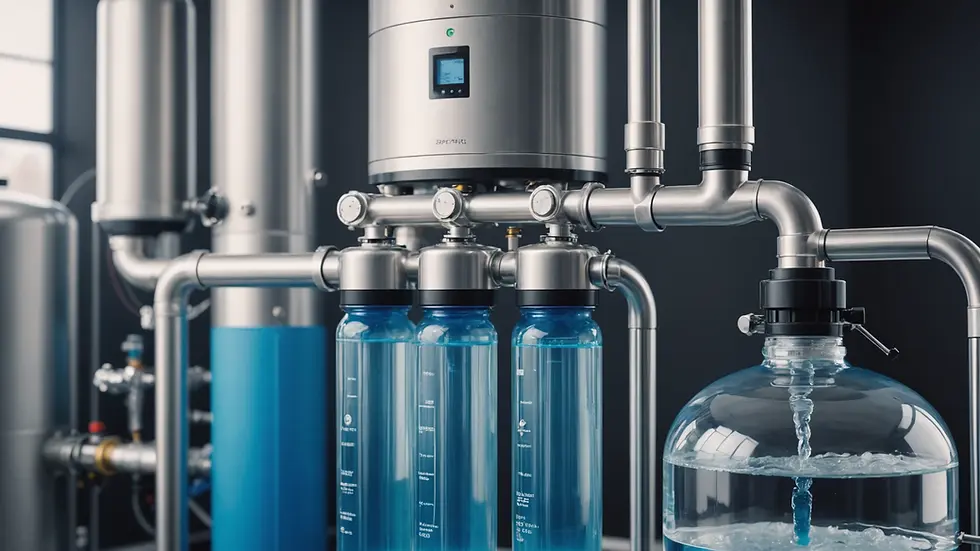
When you think about the water you drink, do you really know what is in it? The journey from its source to your bottle involves many steps, ensuring it is safe and tasty. This exploration of packaged drinking water purification reveals the science behind the processes that clean and purify our water. By understanding these methods, you can have peace of mind about the quality of the water you consume.
Understanding Water Contaminants
Water can contain contaminants that threaten health, ranging from harmful bacteria and viruses to more serious threats like heavy metals and chemical pollutants. For example, in areas near industrial zones, studies show that up to 80% of local water sources have some level of contamination. Some contaminants come from human activities like agriculture or industry, while others are natural. This reality makes understanding the nature of these impurities crucial in choosing the right purification methods.
Water Purification Methods
Purifying packaged drinking water generally includes several techniques, categorized into three main types: physical, chemical, and biological methods.
Physical Purification
Filtration is popular for removing larger particles such as sediment and some microorganisms. Using filters made of activated carbon can reduce chlorine taste and remove odors. For example, a water treatment facility may use activated carbon filters to remove 90% of chlorine from incoming water.
Sedimentation allows heavier particles to settle at the bottom of tanks, making it easier for filters to capture remaining impurities. Combining sedimentation with filtration greatly enhances the overall clarity and safety of the water.
Chemical Purification
Chemical purification methods involve adding substances to the water to kill germs. Chlorination is a well-established technique; adding a small amount of chlorine can disinfect water effectively. Around 98% of bacteria are eliminated with proper chlorination techniques.
Ozonation uses ozone gas, a powerful oxidizing agent. Ozone can kill pathogens without leaving toxic residues. This method is gaining traction; recent data suggests that over 30% of bottled water companies now employ ozonation as a key part of their purification process.
Biological Purification
In larger treatment facilities, biological purification employs helpful microorganisms to break down organic contaminants. This technique leverages beneficial bacteria in large reactors, which can effectively reduce levels of harmful substances over time. Facilities using biological methods report cleanup of up to 90% of organic material.
Advanced Purification Technologies
Recent technological advances are reshaping how we purify water, leading to safer and more efficient processes.
Reverse Osmosis (RO)
Reverse osmosis is a standout in purification technology. The process forces water through a semipermeable membrane that removes a broad spectrum of contaminants, including 95-99% of dissolved solids, heavy metals, and microorganisms. This method is vital for creating high-quality bottled water, ensuring what reaches your bottle is not just clean, but incredibly pure.
Ultraviolet (UV) Treatment
Ultraviolet treatment uses UV light to inactivate bacteria and viruses effectively. This technique boasts a 99.9% success rate in destroying pathogens without chemicals. It is commonly used in bottled water facilities to ensure that every drop is disinfected thoroughly.
Quality Assurance and Testing
Once purification is complete, it is crucial to test the water to confirm its safety. Microbiological tests check for harmful pathogens, while chemical assessments gauge elements like heavy metals. In many countries, bottled water undergoes tests to comply with safety standards. For instance, the U.S. Food and Drug Administration mandates that bottled water manufacturers conduct routine testing to maintain quality.
Labels often inform consumers about the source of the water, indicating whether it is spring, mineral, or purified water, making it easier to choose.
Environmentally Friendly Practices
With growing awareness of environmental issues, the packaged drinking water industry increasingly prioritizes sustainability. Many companies now focus on using recyclable packaging and reducing water waste during purification. For instance, some brands aim to cut their water footprint by 30% over five years. Companies are also supporting community initiatives, ensuring clean water access for underserved populations.
Consumer Awareness and Education
As the demand for safe drinking water grows, it is essential for consumers to stay informed. Knowledge about the differences between water types, such as spring, mineral, and purified water, helps individuals make choices that best meet their health needs.
Understanding water sources and purification processes encourages consumers to seek transparency and advocate for high-quality standards in the bottled water industry.
Final Thoughts
The science of packaged drinking water purification is both intricate and essential. With multiple methods working together, consumers enjoy cleaner, safer water. Ongoing technological developments and a commitment to quality ensure that packaged water meets safety standards.
As knowledge about clean water's importance escalates, it becomes increasingly vital for all consumers to be informed and make educated choices. In an era when drinking water quality influences public health, understanding these processes empowers both individuals and communities.
By supporting sustainable practices and demanding transparency, everyone can contribute to ensuring safe drinking water is accessible to all.


Comments